Free shipping across Canada over $119
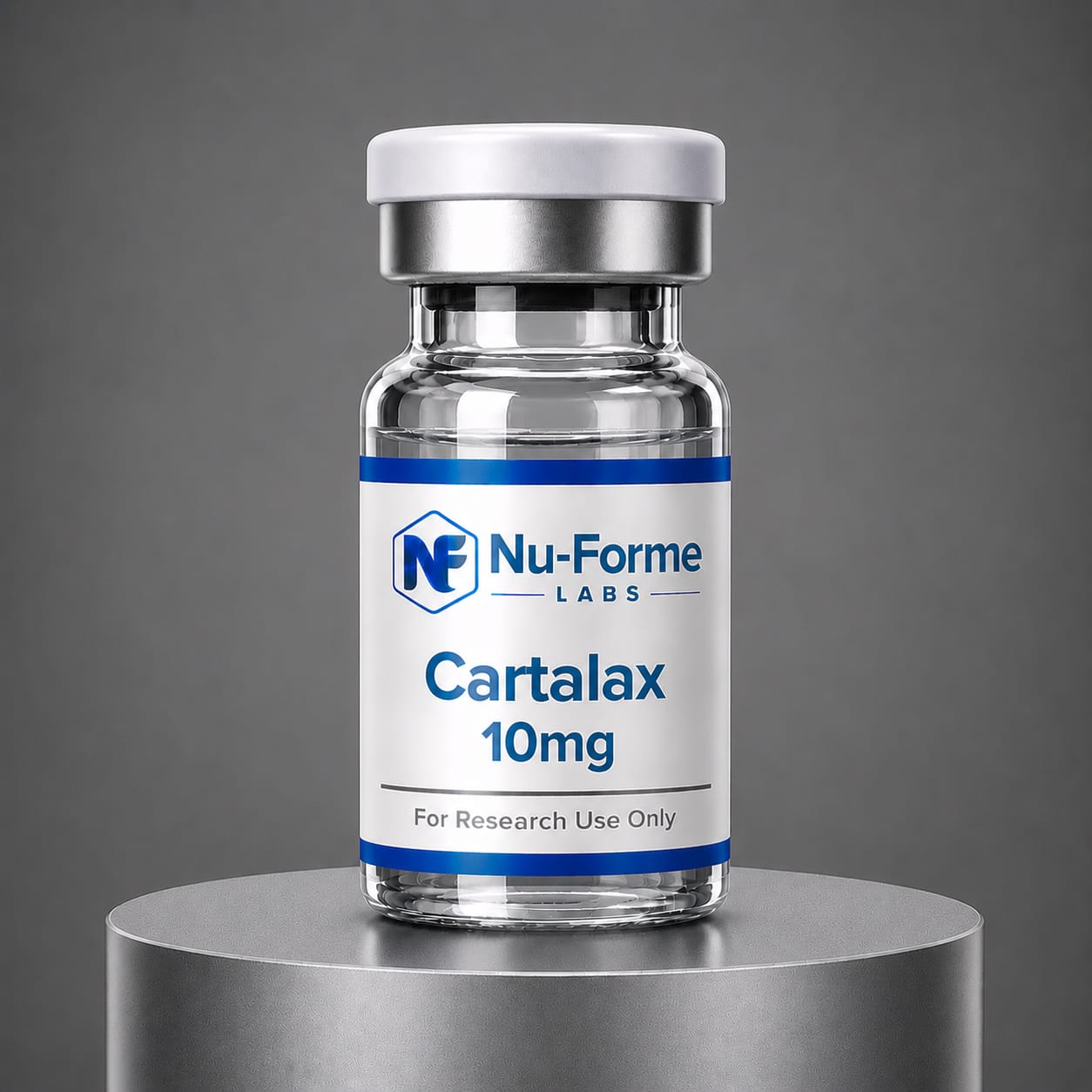
Cartalax
Peptides

Cartalax

In stock

Cartalax is a synthetic tetrapeptide with the sequence Alanine-Glutamic acid-Aspartic acid-Glycine, commonly abbreviated AEDG. It belongs to the family of short peptides developed by Russian gerontologist Vladimir Khavinson, often referred to as Khavinson peptides or peptide bioregulators.

Select Variant

Selected price

$75.00

In stock
Quantity
1

Add $150.00 for free Canadian shipping.

Ships across Canada
1–2 day handling
E-transfer secure
No card data stored
Adult signature
19+ on delivery
DetailsReviews (0)Questions
Description

What Cartalax Is Cartalax is a synthetic tetrapeptide with the sequence Alanine-Glutamic acid-Aspartic acid-Glycine (Ala-Glu-Asp-Gly, or "AEDG"). It was developed by Vladimir Khavinson, a Russian gerontologist and researcher who has created an entire family of short synthetic peptides — often called "Khavinson peptides" or peptide bioregulators — each theoretically targeted at a specific organ or tissue system. Cartalax is the one specifically designed and marketed for cartilage tissue. It's part of a broader product family that includes peptides like: Vladonix (immune system) Chonluten (bronchial/lung tissue) Svetinorm (liver) Pinealon (brain/pineal gland) Testoluten (testes/reproductive) Cartalax (cartilage) Each is marketed around Khavinson's theory that short peptides can act as tissue-specific "bioregulators." Proposed Mechanism of Action (Khavinson's Theory) The overarching concept behind Cartalax and the other Khavinson peptides is called "peptide bioregulation theory." According to this framework: Short peptides (2-4 amino acids) are proposed to penetrate the cell nucleus and bind to DNA They're theorized to help regulate gene expression and protein synthesis in a tissue-specific manner For Cartalax specifically, the claim is that it helps regulate genes involved in chondrocyte (cartilage cell) function, potentially supporting cartilage matrix production and slowing degenerative processes The broader theoretical framework suggests these peptides can help "restore" age-related declines in tissue-specific protein synthesis, tied into Khavinson's larger interest in aging and longevity science What Cartalax Is Cartalax is a synthetic tetrapeptide with the sequence Alanine-Glutamic acid-Aspartic acid-Glycine (Ala-Glu-Asp-Gly, or "AEDG"). It was developed by Vladimir Khavinson, a Russian gerontologist and researcher who has created an entire family of short synthetic peptides — often called "Khavinson peptides" or peptide bioregulators — each theoretically targeted at a specific organ or tissue system. Cartalax is the one specifically designed and marketed for cartilage tissue. It's part of a broader product family that includes peptides like: Vladonix (immune system) Chonluten (bronchial/lung tissue) Svetinorm (liver) Pinealon (brain/pineal gland) Testoluten (testes/reproductive) Cartalax (cartilage) Each is marketed around Khavinson's theory that short peptides can act as tissue-specific "bioregulators." Proposed Mechanism of Action (Khavinson's Theory) The overarching concept behind Cartalax and the other Khavinson peptides is called "peptide bioregulation theory." According to this framework: Short peptides (2-4 amino acids) are proposed to penetrate the cell nucleus and bind to DNA They're theorized to help regulate gene expression and protein synthesis in a tissue-specific manner For Cartalax specifically, the claim is that it helps regulate genes involved in chondrocyte (cartilage cell) function, potentially supporting cartilage matrix production and slowing degenerative processes The broader theoretical framework suggests these peptides can help "restore" age-related declines in tissue-specific protein synthesis, tied into Khavinson's larger interest in aging and longevity science

Customer Reviews

No reviews yet. Be the first.

Review this product

Share your thoughts with other customers.

No reviews yet — yours could be first.

Product questions

Are product prices and variants current?

Yes. Product pages, cart, and checkout use the current catalog data for active variants, availability, prices, and totals.

How does shipping work for this item?

Canadian orders ship free when the merchandise subtotal is at least $150 CAD. Orders below that threshold use a flat $25.00 CAD shipping charge.

When is my order confirmed?

Checkout creates a pending order. The order is confirmed only after the e-transfer is reviewed and marked paid by an admin.

Can I change my order after checkout?

Contact Nuforme as soon as possible. Orders should be reviewed carefully before checkout because fulfillment starts after payment is confirmed.

More products

Pairs well with

BPC-157
Recovery

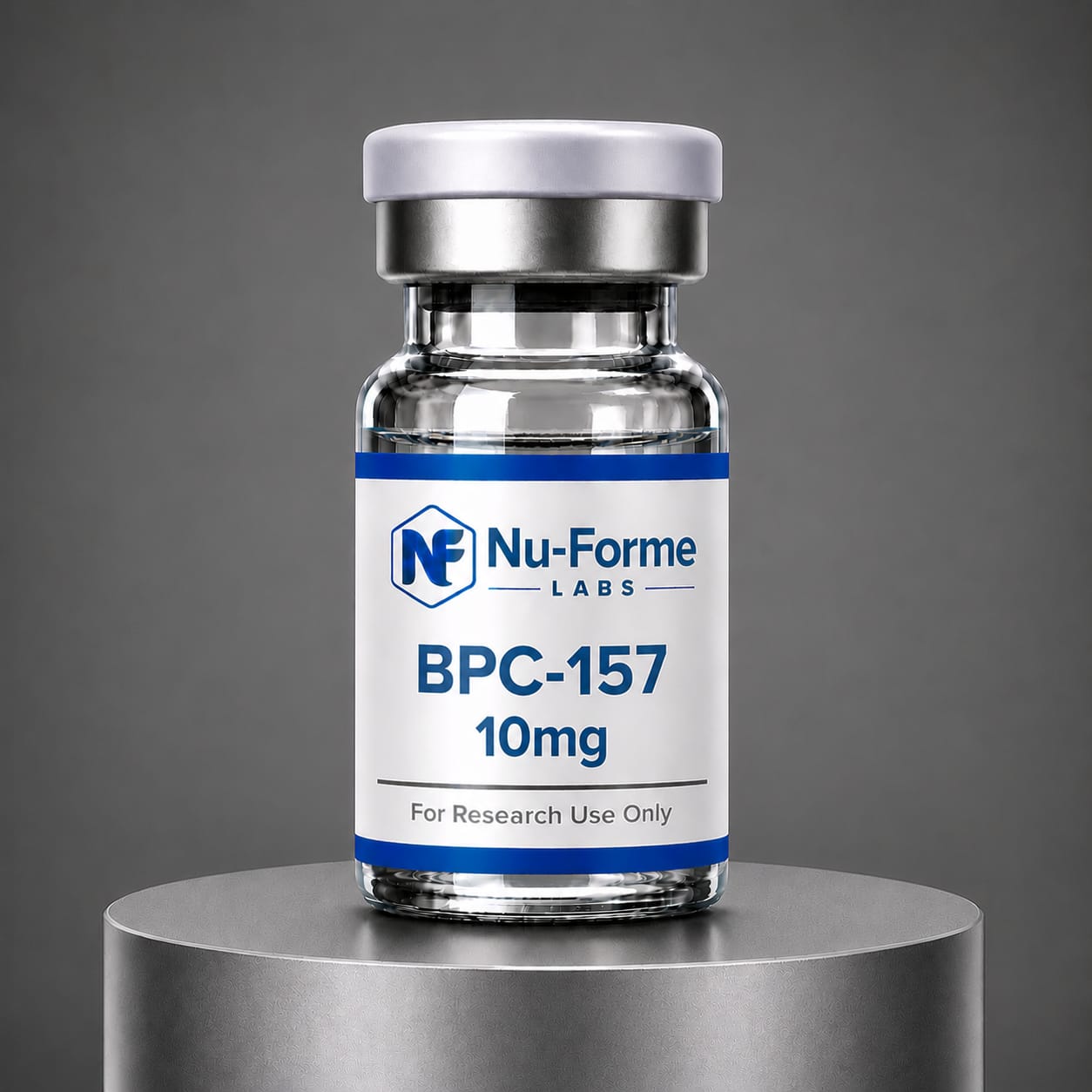
BPC-157

BPC-157 (Body Protection Compound-157) is a synthetic peptide made up of 15 amino acids. Its sequence is based on a partial segment of a protective protein found in human gastric juice, and the synthetic form was developed for greater stability than the naturally occurring compound.

$70.00
Choose options
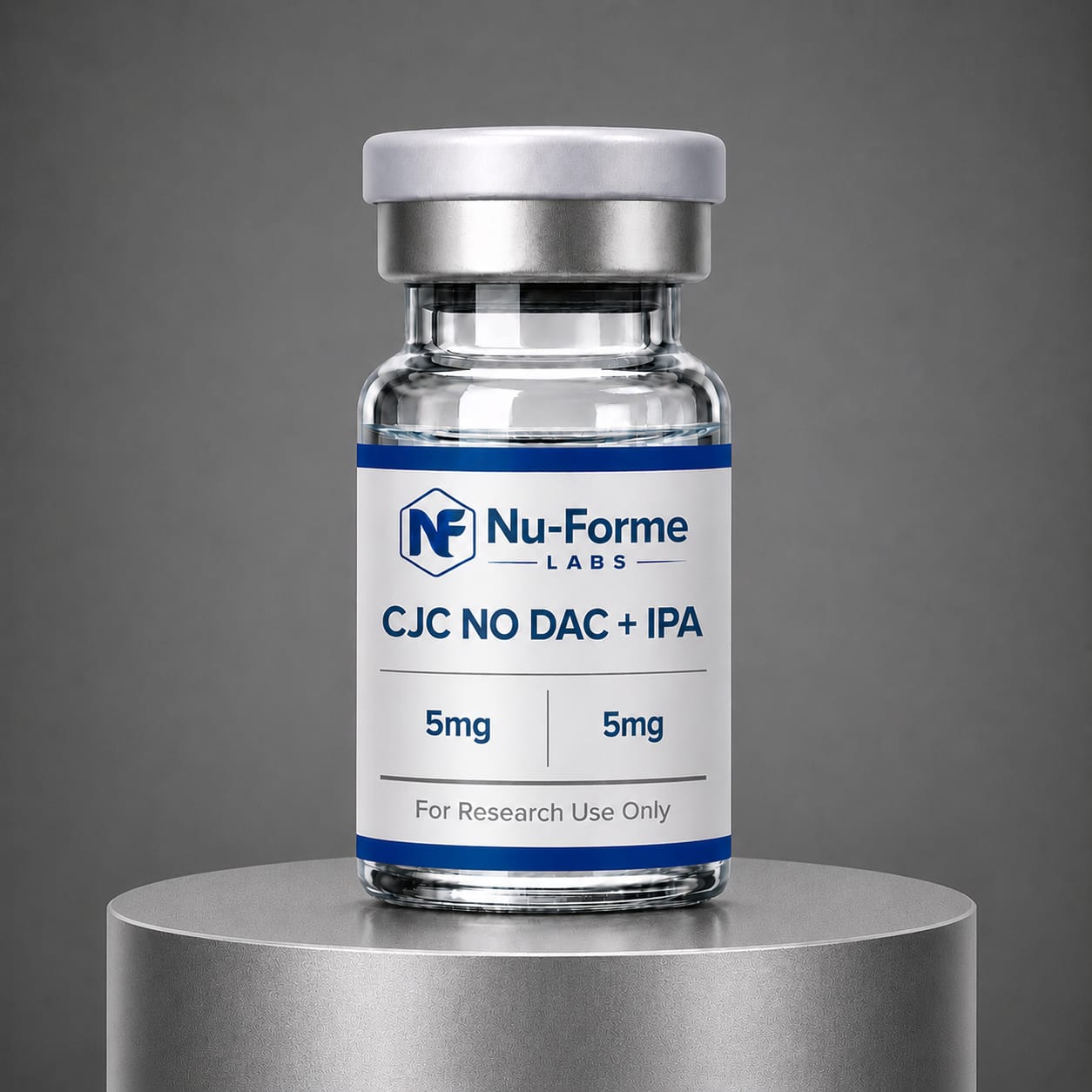
CJC-1295 No DAC + Ipamorelin

CJC-1295 No DAC + Ipamorelin

CJC-1295 + Ipamorelin is a peptide combination studied in research focused on growth hormone pathways and the interaction between GHRH and ghrelin receptor signaling.

$90.00
Choose options
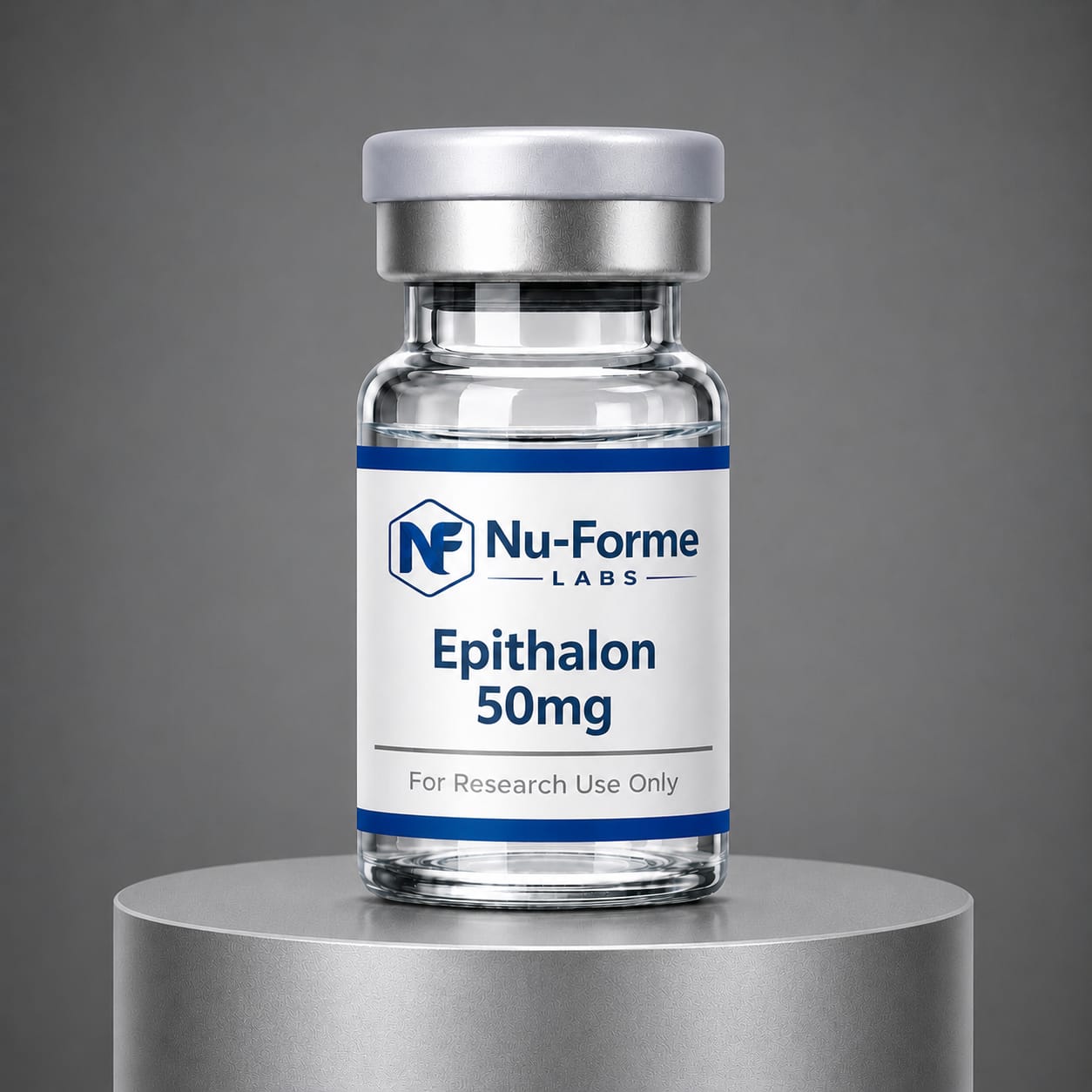
Epithalon

Epithalon

Epithalon — also written Epitalon or Epithalone — is a synthetic tetrapeptide composed of four amino acids: alanine, glutamic acid, aspartic acid and glycine (AEDG). It was developed from naturally occurring peptide components associated with the pineal gland.

$140.00
Choose options
From the journal

Related reading

Editorial guidance only — current pricing and stock live on each product page.