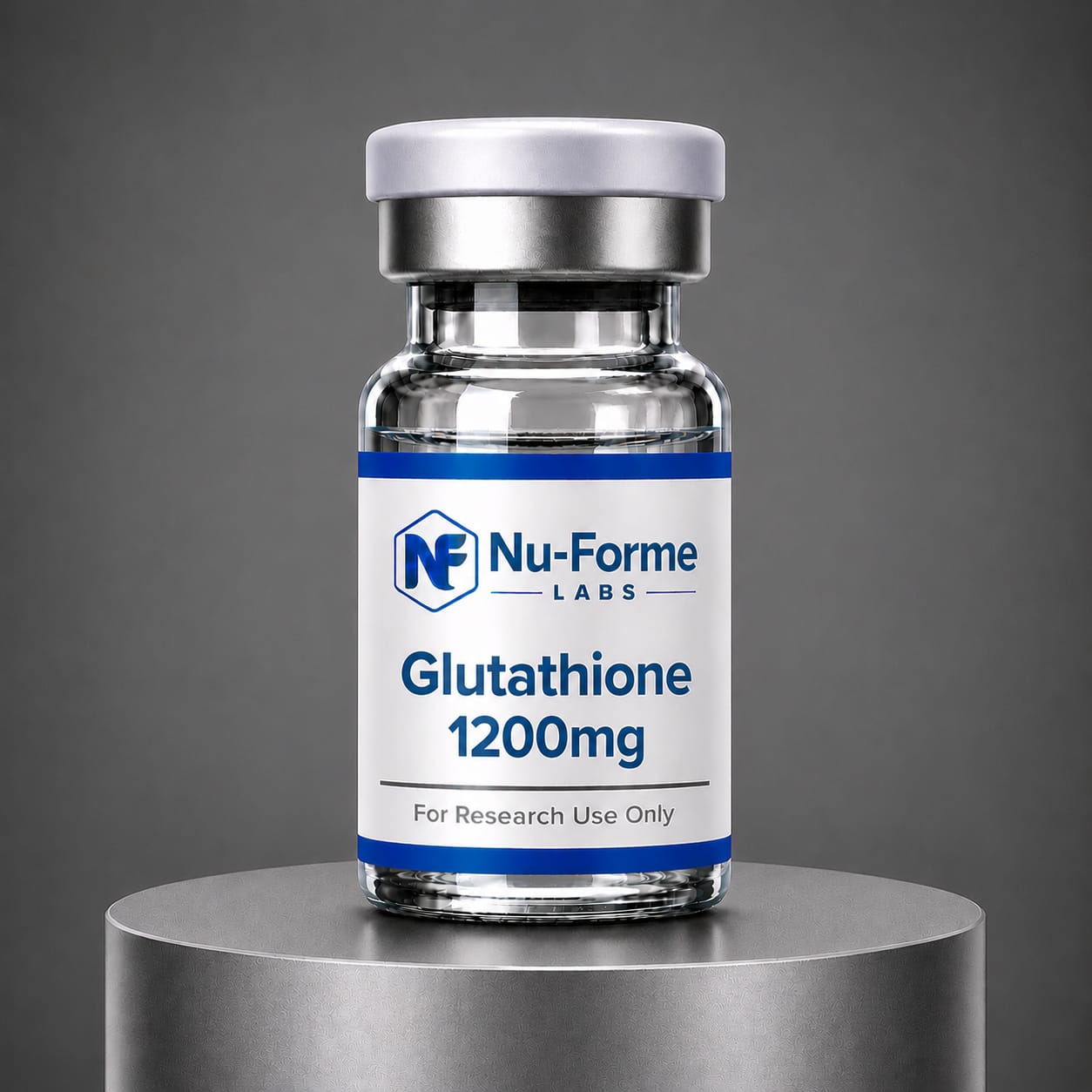
DescriptionWhat Glutathione Is
Glutathione (GSH) is a small protein molecule (tripeptide) made of three amino acids: cysteine, glutamine (glutamic acid), and glycine. It's produced naturally by nearly every cell in the body, with especially high concentrations in the liver. It's often called the body's "master antioxidant" because it plays a central role in neutralizing free radicals and recycling other antioxidants like vitamins C and E.
Why Levels Decline
Glutathione production naturally decreases due to:
Aging
Chronic stress
Poor diet / nutrient deficiencies
Exposure to toxins, pollution, alcohol
Illness, infections, or chronic disease
Intense physical exertion or oxidative stress
The 1200mg Dose
This is on the higher end of commercially available oral supplements (most range from 250–1000mg). Manufacturers market higher doses like this for:
More noticeable skin-related effects
Stronger antioxidant "loading"
Faster perceived results
There isn't strong standardized clinical guidance on an "ideal" dose — 1200mg is largely a commercial formulation choice rather than one backed by dose-response studies.
Forms Available
Form Notes
Oral capsules/tablets Most common; absorption is debated
Liposomal glutathione Encapsulated in lipids for better absorption
Effervescent/sublingual Bypasses some digestive breakdown
IV (intravenous) Highest bioavailability; used in clinics, especially for skin-lightening in some countries
Topical creams Localized skin use only
Claimed Benefits (Marketing Claims)
Skin brightening/lightening — inhibits melanin production (most popular use in parts of Asia and the Middle East)
Antioxidant/anti-aging support
Liver detoxification — supports phase II liver detox pathways
Immune system support
Reducing oxidative stress linked to chronic disease
Sometimes marketed for fatigue, hangover recovery, or general "wellness"
What the Evidence Actually Shows
Oral bioavailability is a major limitation — glutathione is a peptide, and stomach enzymes can break it down before it's absorbed intact, similar to how dietary protein is digested. This is scientifically contested; some studies show modest increases in blood levels, others show minimal effect.
Skin lightening effects have some clinical support, particularly with sustained use, but effects are usually modest and reversible after stopping.
IV glutathione has stronger absorption evidence but carries more risk (injection-related risks, unregulated clinics in some regions) and isn't FDA-approved for skin lightening.
Overall, oral supplementation is considered generally safe but with uncertain efficacy by most researchers, and it's not a substitute for a diet rich in sulfur-containing foods (garlic, onions, cruciferous vegetables) or precursors like NAC (N-acetylcysteine), which some experts consider more reliably effective at raising glutathione levels.
Safety Considerations
Generally well-tolerated at typical doses
Rare side effects: bloating, cramping, allergic reactions (rash)
Not well studied in pregnancy/breastfeeding — caution advised
May theoretically interact with chemotherapy (antioxidants can interfere with some cancer treatments) — important to disclose to an oncologist if relevant
Quality/purity varies significantly between brands — look for third-party testing (NSF, USP, ConsumerLab)
Bottom Line
Glutathione 1200mg supplements are marketed mainly for antioxidant support, skin brightening, and detoxification, but oral forms face real bioavailability questions, and much of the benefit reported is anecdotal or based on smaller studies rather than large, definitive trials. It's reasonably safe for most healthy adults but worth discussing with a doctor first — especially if you're pregnant, on medication, or managing a chronic condition.
If you'd like, I can look into a specific brand or product you're considering, or compare it against alternatives like NAC or liposomal glutathione.