
Free shipping across Canada over $150
Product catalog

Bacteriostatic water and research supplies

Trusted products, clear prices, better value without the noise. 25 items in stock.

Nuforme supplies research peptides to labs and independent researchers across Canada — certificate of analysis' are published on product pages and in the lab testing library.

New to peptides? Start with what they are and how purity is tested.

All products sold for laboratory and research use only.

Showing 1–4 of 4
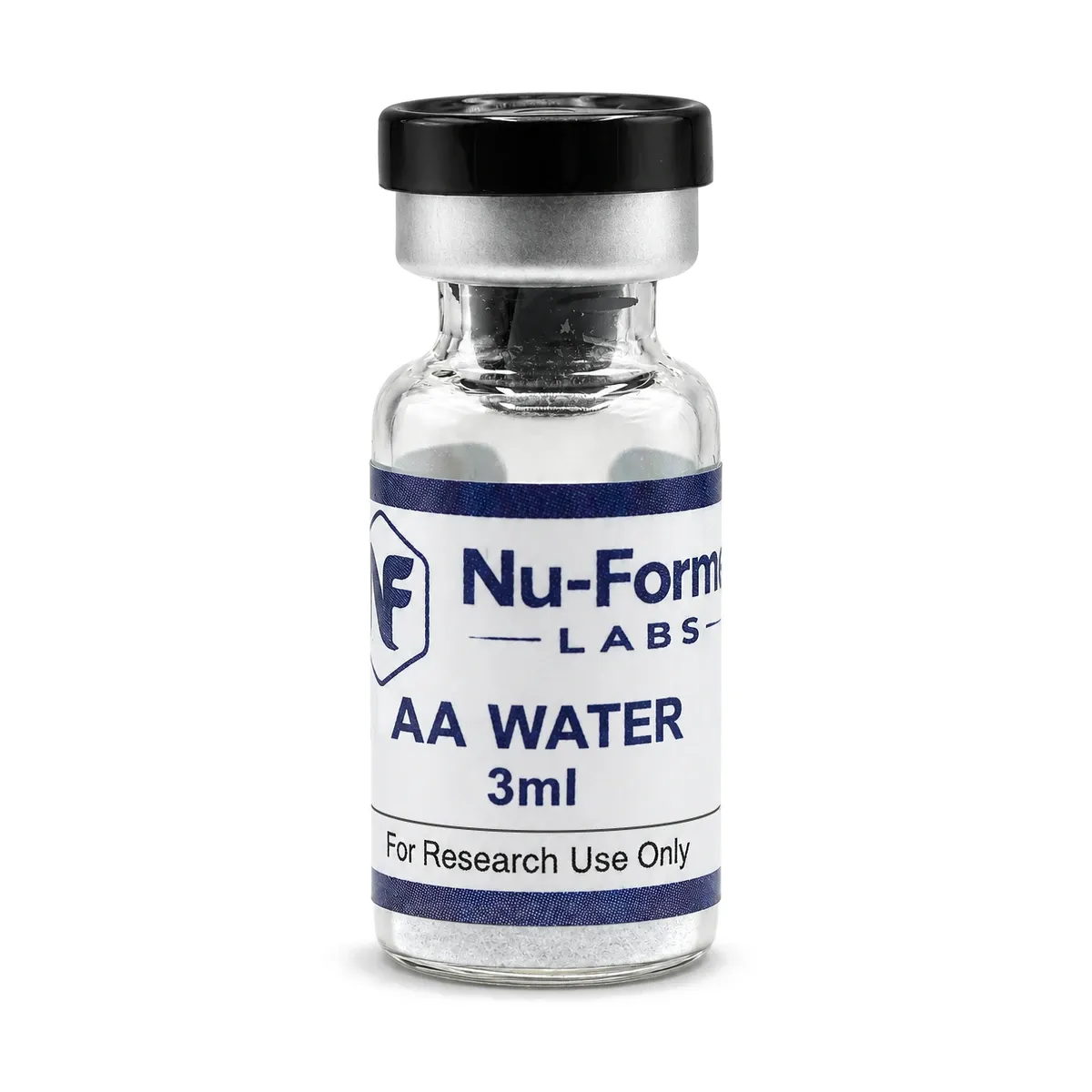
Nuforme Acetic Water 3mL laboratory solution vial

Acetic Water

Acetic Water is a sterile, mildly acidic solution supplied in a sealed 3mL vial, used to reconstitute and dilute research peptides that dissolve better at a lower pH. Its controlled acidity may help reduce clumping, cloudiness, or gel formation with sensitive compounds where neutral diluents fall short. An ancillary lab item, not a peptide itself. For laboratory and research use only.

$15.00
Choose options
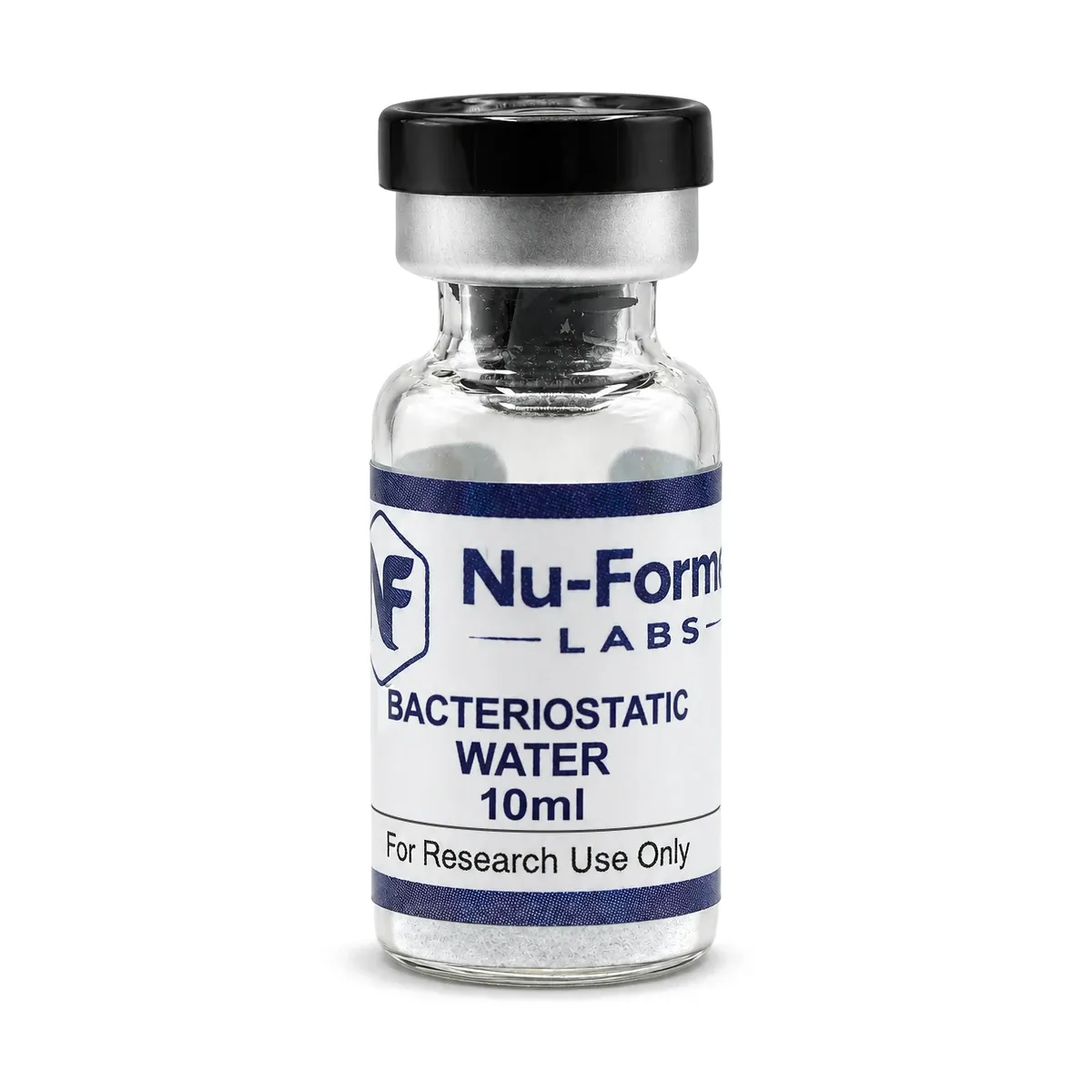
Nuforme bacteriostatic water vials in 3mL, 10mL and 30mL sizes

Bacteriostatic Water

Bacteriostatic Water is sterile, non-pyrogenic water containing 0.9% benzyl alcohol as a bacteriostatic preservative. The preservative helps inhibit the growth of contaminating bacteria, which is what allows the vial to be accessed more than once when handled and stored correctly — the practical difference between this and single-use sterile water. Supplied in sealed vials in 3mL, 10mL and 30mL sizes. Not suitable for newborns or infants because it contains benzyl alcohol.

$5.00 - $25.00
Choose options
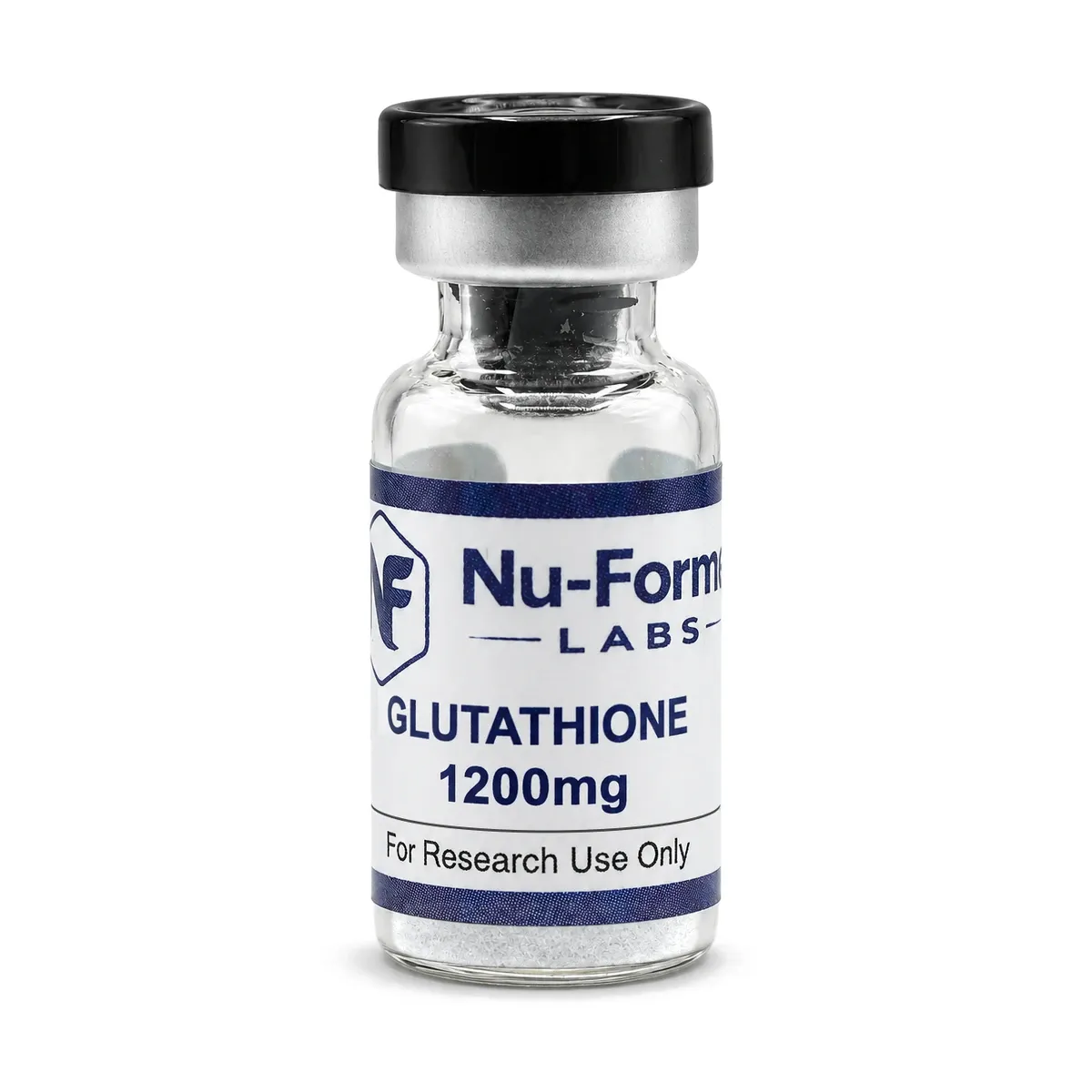
Nuforme Glutathione 1200mg lyophilized research vial
Anti-Aging

Glutathione

Glutathione (1200mg) is a dietary supplement typically taken to boost levels of glutathione, the body's most abundant antioxidant, which is naturally produced in cells but can decline due to aging, stress, poor diet, or illness.

$65.00Only 2 left
Choose options

Ancillaries questions

What is bacteriostatic water used for?

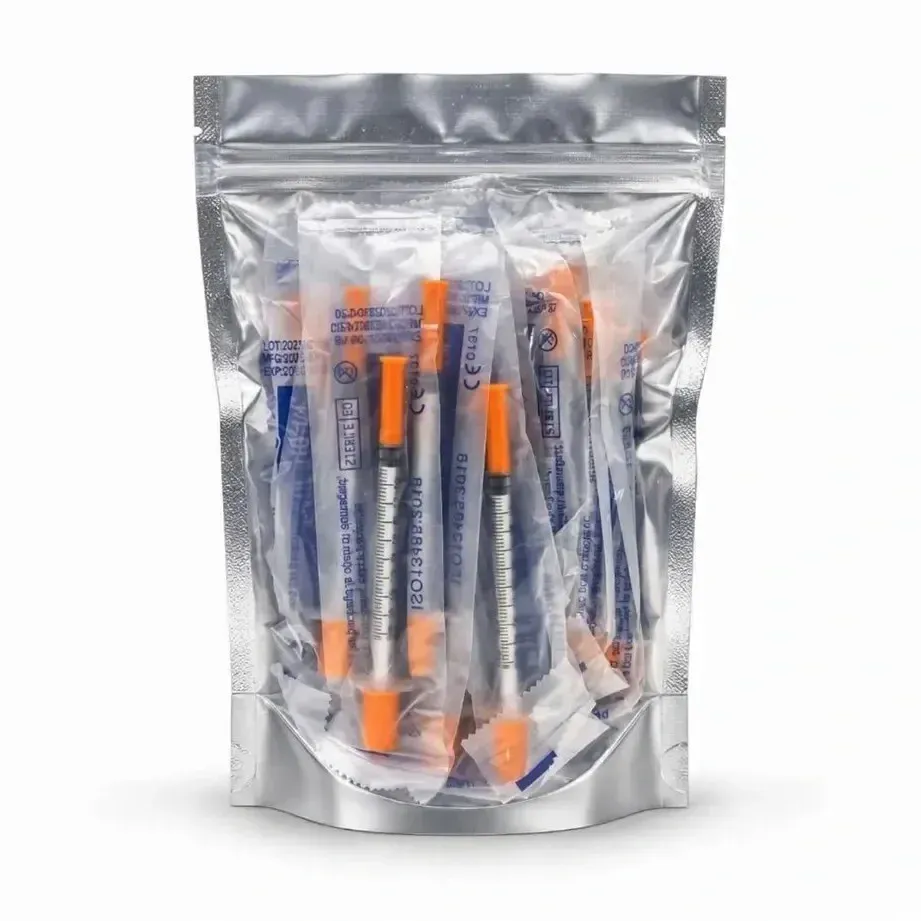
It is the diluent used to reconstitute a freeze-dried research peptide — you draw the water into a syringe, add it to the sealed vial, and the powder goes into solution. The 0.9% benzyl alcohol it contains inhibits bacterial growth, which is what allows the same vial to be accessed more than once when it is handled and stored properly.

Is bacteriostatic water the same as sterile water?

No. Sterile water has no preservative, so it is single-use — once the seal is broken it should be discarded. Bacteriostatic water contains 0.9% benzyl alcohol, which inhibits bacterial growth and makes repeat access possible. That preservative is the practical difference between the two.

What is the difference between bacteriostatic water and acetic water?

Bacteriostatic water is neutral and suits most peptides. Acetic water is mildly acidic, for peptides that dissolve poorly in a neutral diluent — the lower pH can reduce clumping, cloudiness or gel formation. If a peptide goes into solution cleanly with bacteriostatic water, there is no reason to switch.

How much bacteriostatic water should I add?

It depends on the quantity in the vial and the concentration you want. The dosage and reconstitution calculator on this site does the arithmetic: enter your syringe size, the vial quantity and the amount of water added, and it returns what each mark on the syringe works out to.

Which size of bacteriostatic water should I buy?

It comes in 3 mL, 10 mL and 30 mL. A 3 mL vial covers a single reconstitution, while the 10 mL and 30 mL sizes cover several without reordering. Acetic water is supplied in 3 mL only.

Why is glutathione in this section rather than with the peptides?

Glutathione is a tripeptide, but it is stocked as a standalone 1200 mg product rather than as a freeze-dried peptide for reconstitution, so it sits with the ancillaries instead of in the peptide range. Its product page carries the full detail.